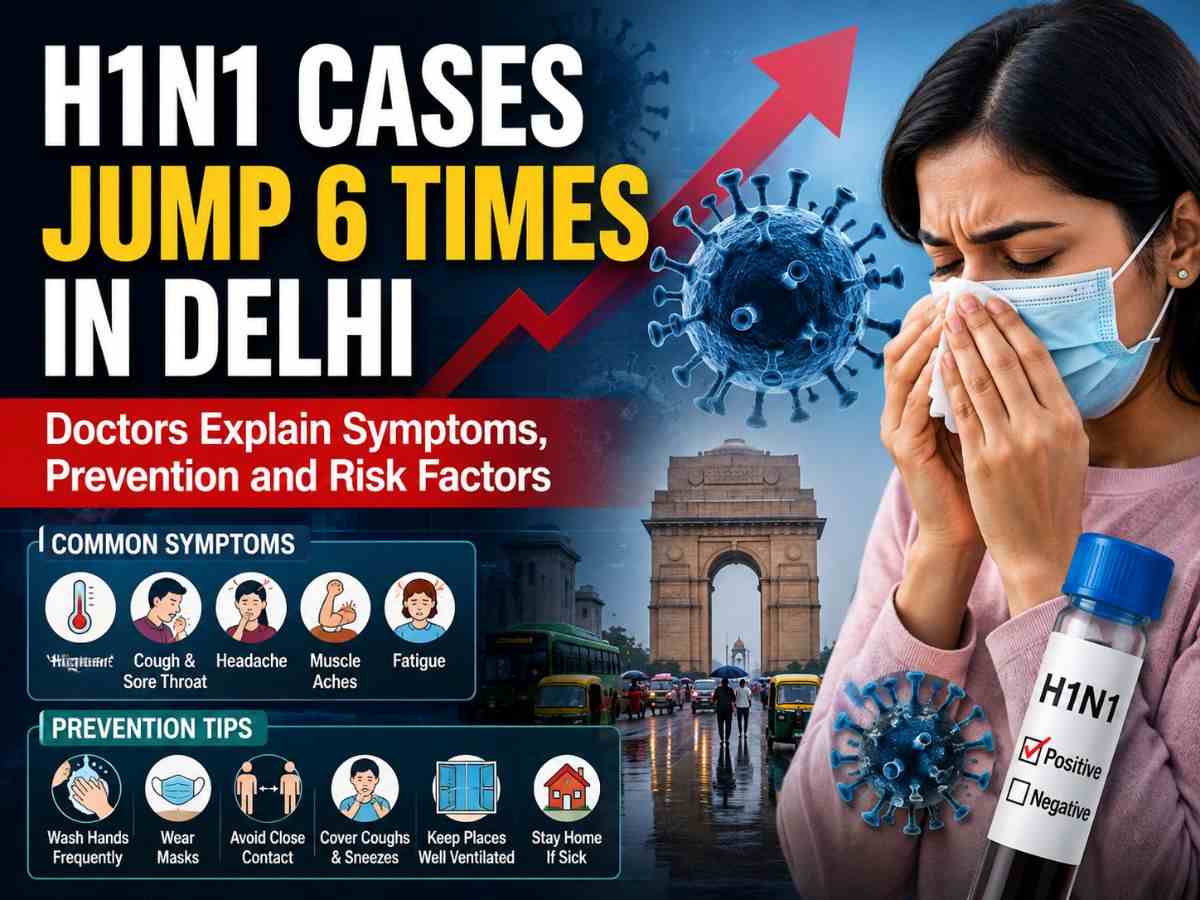
Delhi has witnessed a significant rise in H1N1 influenza cases, commonly known as swine flu, raising concerns among health experts and residents alike. According to recent reports, H1N1 infections in the national capital have increased nearly sixfold compared to earlier months, making it one of the most discussed public health issues during the ongoing monsoon season.
While the increase in cases may sound alarming, doctors emphasize that awareness, early diagnosis, and timely treatment can significantly reduce complications. Understanding the symptoms, causes, prevention methods, and risk factors associated with H1N1 is crucial for protecting yourself and your family.
Why Are H1N1 Cases Rising in Delhi?
Health experts attribute the sharp rise in H1N1 cases to a combination of seasonal and environmental factors. Monsoon weather creates conditions that help respiratory viruses spread more efficiently. Increased humidity, crowded indoor spaces, and fluctuating temperatures often contribute to the transmission of influenza viruses.
Delhi’s dense population and extensive public transportation network can also facilitate the rapid spread of viral infections. Additionally, many people tend to ignore early flu symptoms, assuming them to be seasonal allergies or common colds, which can unintentionally increase transmission.
Doctors note that H1N1 cases often peak during specific periods of the year, particularly during monsoon and winter months when respiratory illnesses become more common.
What Is H1N1 Influenza?
H1N1 is a subtype of the influenza A virus. It gained global attention during the 2009 swine flu pandemic, but it has since become one of the seasonal flu viruses that circulate worldwide.
The virus primarily affects the respiratory system and spreads through:
- Respiratory droplets from coughing or sneezing
- Close contact with infected individuals
- Touching contaminated surfaces and then touching the face
- Crowded and poorly ventilated environments
Most healthy individuals recover within a week or two, but certain groups face a higher risk of severe complications.
Common Symptoms of H1N1
The symptoms of H1N1 are similar to those of seasonal influenza, making it difficult to distinguish without medical testing.
Early Symptoms
Common early signs include:
- High fever
- Persistent cough
- Sore throat
- Runny or blocked nose
- Headache
- Muscle aches
- Fatigue
- Chills
Moderate Symptoms
As the infection progresses, some individuals may experience:
- Body pain
- Weakness
- Loss of appetite
- Mild breathing discomfort
- Increased fatigue
Severe Symptoms
Immediate medical attention is required if a person develops:
- Shortness of breath
- Chest pain
- Persistent high fever
- Bluish lips or face
- Confusion
- Severe dehydration
- Difficulty staying awake
Doctors advise seeking medical help promptly if symptoms worsen, especially among vulnerable populations.
Who Is Most at Risk?
While anyone can contract H1N1, certain individuals are more likely to experience severe illness or complications.
High-Risk Groups Include:
Elderly Individuals
People above 65 years often have weaker immune responses, making them more susceptible to complications.
Young Children
Children under five years of age may struggle to fight off severe respiratory infections.
Pregnant Women
Pregnancy can temporarily alter immune function, increasing vulnerability to influenza-related complications.
People with Chronic Diseases
Individuals suffering from:
- Diabetes
- Asthma
- Heart disease
- Kidney disorders
- Liver disease
are considered high-risk.
Immunocompromised Patients
Those undergoing cancer treatment, organ transplant recipients, or individuals with weakened immune systems need extra protection.
Why Doctors Are Concerned About the Current Surge
Medical professionals are not only concerned about the rise in case numbers but also about delayed diagnosis and self-medication.
Many people continue to attend work, school, or social gatherings despite experiencing flu-like symptoms. This behavior significantly increases community transmission.
Doctors also warn against taking antibiotics without proper medical advice. Since H1N1 is caused by a virus, antibiotics generally do not treat the infection unless a secondary bacterial infection develops.
Another challenge is that many patients mistake H1N1 symptoms for seasonal viral fever, delaying testing and treatment.
How Is H1N1 Diagnosed?
Doctors typically evaluate symptoms, medical history, and recent exposure risks before recommending testing.
Common diagnostic methods include:
RT-PCR Test
This is considered the most accurate method for detecting the H1N1 virus.
Rapid Influenza Diagnostic Tests
These provide faster results but may be less accurate compared to RT-PCR.
Clinical Assessment
In periods of high transmission, doctors may diagnose influenza based on symptoms and local outbreak trends.
Early testing is especially important for high-risk individuals and patients experiencing severe symptoms.
Treatment Options for H1N1
Most mild cases can be managed at home with supportive care.
Recommended Treatment Includes:
- Adequate rest
- Increased fluid intake
- Fever management
- Nutritious meals
- Medical monitoring
Doctors may prescribe antiviral medications in certain cases, particularly for:
- High-risk patients
- Hospitalized individuals
- Patients showing severe symptoms
The effectiveness of antiviral medication is generally highest when started within the first 48 hours of symptom onset.
Prevention Tips Recommended by Doctors
Preventing H1N1 infection requires a combination of personal hygiene and community awareness.
Wash Hands Frequently
Regular handwashing with soap and water remains one of the most effective preventive measures.
Wear Masks in Crowded Areas
Masks can help reduce exposure to respiratory droplets, particularly during outbreaks.
Avoid Close Contact with Sick Individuals
Maintaining distance from infected persons lowers transmission risk.
Cover Your Cough and Sneeze
Use tissues or your elbow to prevent spreading droplets.
Improve Indoor Ventilation
Fresh air circulation can reduce the concentration of airborne viruses indoors.
Stay Home When Sick
Isolation during illness helps protect family members, coworkers, and the broader community.
Can Vaccination Help?
Health experts strongly recommend annual influenza vaccination, especially for vulnerable groups.
The seasonal flu vaccine is designed to provide protection against multiple influenza strains, including H1N1. While vaccination may not completely eliminate the risk of infection, it significantly reduces the likelihood of severe illness, hospitalization, and complications.
Doctors suggest that individuals in high-risk categories discuss vaccination options with their healthcare providers before peak flu seasons.
How Delhi Residents Can Stay Safe During the Monsoon
The current increase in H1N1 cases highlights the importance of proactive health measures.
Residents can reduce their risk by:
- Following good hygiene practices
- Avoiding crowded places when possible
- Staying hydrated
- Maintaining a healthy diet
- Getting adequate sleep
- Seeking medical advice for persistent flu symptoms
Public health experts believe community awareness remains one of the strongest tools against the spread of influenza.
Final Thoughts
The nearly sixfold rise in H1N1 cases in Delhi serves as a reminder that seasonal influenza remains a serious public health concern. Although most infections are mild and manageable, vulnerable individuals can face severe complications if diagnosis and treatment are delayed.
Doctors emphasize that recognizing symptoms early, practicing preventive measures, and seeking timely medical care can significantly reduce health risks. As Delhi navigates another challenging monsoon season, awareness and responsible behavior will play a critical role in controlling the spread of H1N1 and protecting the community.
Also Read: What’s a Thing I Wish Schools Actually Taught?
More in India
 IndiaPunjab State Dear Rakhi Bumper Result 2026: ₹7 Crore Prize, Winners List29 Aug 2026
 India100-Foot Tricolour Installed at Doda Stadium for 80th Independence Day (15 Augest 2026): Why It Matters in Chenab Valley Jammu Kashmir15 Aug 2026
 IndiaIndependence Day 2026: India Marks 80th I-Day as Vande Mataram Echoes From Red Fort for the First Time15 Aug 2026
 IndiaDeep Amavasya 2026: The Sacred Festival That Celebrates the Power of Light and Positivity12 Aug 2026
 BreakingNational Handloom Day 2026: Date, Theme, History, Significance and Why India Celebrates Its Weaving Heritage6 Aug 2026
 IndiaPM Modi Inaugurates Alluri Sitarama Raju International Airport in Bhogapuram: Key Features, Cost and What It Means for Andhra Pradesh1 Aug 2026
Read Next
 EntertainmentMunmun Dutta Shares Empty Taarak Mehta Ka Ooltah Chashmah Set: ‘Looks Haunted’ When Nobody Is Shooting19 Sep 2026
 EntertainmentBhuvan Bam on India’s Got Latent Season 2 Episode 7: Panel, Samay Raina Show & What Happened18 Sep 2026
 SportsAbhishek Sharma Hits Fastest T20I Century: 30-Ball Hundred Breaks Rohit Sharma’s Record17 Sep 2026