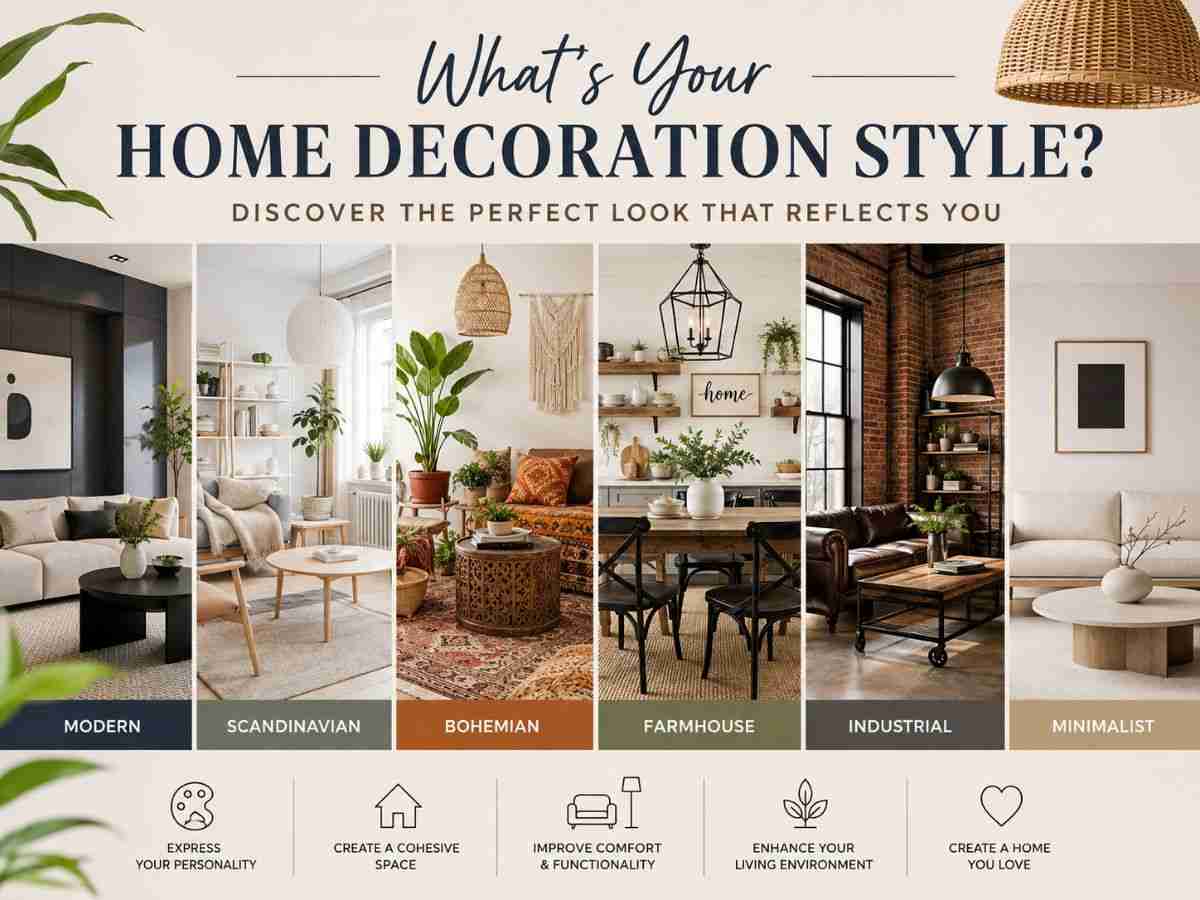
Your home is more than just a place to live—it’s a reflection of your personality, lifestyle, and taste. Whether you love clean lines, cozy corners, colorful décor, or timeless elegance, finding your home decoration style can help you create a space that feels truly yours.
The good news? There isn’t just one “right” way to decorate. Interior design has evolved to embrace individuality, allowing homeowners to mix styles while staying true to their preferences.
In this guide, we’ll explore the most popular home decoration styles, how to identify the one that suits you, practical decorating tips, and expert advice for creating a home that’s beautiful, functional, and timeless.
Why Knowing Your Home Decoration Style Matters
Many people buy furniture or decorative items without considering how everything fits together. The result is often a home that feels cluttered or disconnected.
Understanding your decorating style helps you:
- Make smarter furniture purchases
- Create a cohesive interior
- Avoid unnecessary spending
- Improve comfort and functionality
- Increase your home’s visual appeal
- Express your personality through design
Whether you’re decorating a new house or refreshing your current one, choosing a style provides direction for every design decision.
Home Decoration Style :
1. Modern Style: Clean, Simple, and Sophisticated
Modern interiors focus on simplicity and functionality.
Key Characteristics
- Neutral color palettes
- Clean lines
- Open spaces
- Minimal decoration
- Large windows
- Functional furniture
Best Colors
- White
- Grey
- Black
- Beige
- Charcoal
Perfect For
- Apartments
- Urban homes
- Professionals
- Small spaces
Modern homes feel uncluttered while maintaining elegance.
2. Scandinavian Style: Cozy Minimalism
Scandinavian interiors combine minimalism with warmth.
Main Features
- Bright white walls
- Natural wood furniture
- Soft lighting
- Cozy textiles
- Functional layouts
- Indoor plants
The Scandinavian philosophy believes that a beautiful home should also improve everyday life.
Best Accessories
- Wool throws
- Linen curtains
- Wooden coffee tables
- Ceramic vases
- Neutral rugs
3. Minimalist Style: Less Is More
Minimalism isn’t about owning less—it’s about owning only what matters.
Characteristics
- Simple furniture
- Hidden storage
- Neutral palette
- Clean surfaces
- Quality over quantity
This style works especially well in smaller homes because it creates an illusion of more space.
4. Bohemian Style: Creative and Free-Spirited
Boho interiors celebrate personality and artistic expression.
Signature Elements
- Layered rugs
- Macramé wall hangings
- Vintage furniture
- Handmade décor
- Indoor plants
- Earthy colors
Popular Colors
- Terracotta
- Olive green
- Mustard yellow
- Rust orange
- Deep blue
Every Bohemian home feels unique because it mixes textures, cultures, and personal memories.
5. Farmhouse Style: Rustic Comfort
Farmhouse interiors create warmth through natural materials and timeless design.
Common Features
- Wooden furniture
- Neutral walls
- Vintage accents
- Shiplap walls
- Open shelving
- Comfortable seating
This style blends rustic charm with modern comfort.
6. Industrial Style: Urban and Edgy
Inspired by old factories and warehouses, industrial interiors embrace raw materials.
Hallmarks
- Exposed brick
- Concrete floors
- Metal furniture
- Leather sofas
- Open ceilings
- Black fixtures
Industrial spaces often combine modern furniture with vintage elements.
7. Traditional Style: Classic Elegance
Traditional interiors never go out of style.
Features
- Rich wood furniture
- Symmetrical layouts
- Elegant fabrics
- Decorative molding
- Antique accessories
- Warm lighting
Perfect for those who appreciate timeless sophistication.
8. Contemporary Style: Always Current
Many people confuse modern and contemporary design.
The difference?
Modern refers to a specific design movement.
Contemporary reflects today’s latest trends and evolves over time.
Characteristics
- Mixed materials
- Curved furniture
- Neutral base colors
- Statement lighting
- Large artwork
9. Coastal Style: Relaxed and Airy
Inspired by beach homes, coastal interiors create a calming atmosphere.
Color Palette
- White
- Sky blue
- Sand beige
- Sea green
- Light grey
Decorative Items
- Natural fibers
- Driftwood
- Linen fabrics
- Rope accents
- Woven baskets
The goal is to create an open, breezy feeling.
10. Mid-Century Modern Style
One of today’s most popular interior styles.
Features
- Wooden furniture
- Tapered legs
- Geometric shapes
- Functional design
- Warm earth tones
Mid-century furniture blends beautifully with modern homes.
How to Discover Your Decorating Style
Ask yourself these questions:
Do you like clean spaces?
You may prefer Modern or Minimalist.
Do you love color and patterns?
Bohemian might suit you.
Prefer timeless elegance?
Traditional could be your style.
Love nature?
Scandinavian or Farmhouse works beautifully.
Enjoy city loft aesthetics?
Industrial may be perfect.
Your answers will naturally point toward the styles you’ll enjoy living with every day.
Can You Mix Different Styles?
Absolutely. Most professionally designed homes combine multiple influences.
Popular combinations include:
- Modern + Scandinavian
- Industrial + Minimalist
- Farmhouse + Contemporary
- Bohemian + Mid-Century
- Traditional + Modern
The secret is maintaining consistency through color palettes, materials, and proportions.
Decorating Tips That Work for Every Style
Choose a Consistent Color Palette
Limit your main colors to three or four shades.
This creates harmony throughout the home.
Invest in Quality Furniture
Large furniture pieces last years.
Choose timeless designs that won’t quickly feel outdated.
Add Texture
Mix materials like:
- Wood
- Glass
- Linen
- Cotton
- Metal
- Stone
Texture adds depth without overwhelming the room.
Use Proper Lighting
Lighting dramatically affects how your décor looks.
Include:
- Ambient lighting
- Task lighting
- Accent lighting
Layering these creates a comfortable atmosphere.
Bring Nature Indoors
Plants improve both aesthetics and indoor air quality.
Popular indoor plants include:
- Snake Plant
- Peace Lily
- Monstera
- Pothos
- ZZ Plant
Personalize the Space
Display items that tell your story:
- Family photos
- Travel souvenirs
- Books
- Handmade artwork
- Vintage finds
Personal touches transform a house into a home.
Common Decorating Mistakes to Avoid
Even beautiful furniture can look out of place if it’s not used thoughtfully.
Avoid these mistakes:
- Buying furniture before measuring your room
- Choosing style over comfort
- Using too many colors
- Ignoring lighting
- Hanging artwork too high
- Overcrowding the room
- Following trends without considering your lifestyle
A well-designed home balances aesthetics with practicality.
Decorating on a Budget
Creating a stylish home doesn’t require a large budget.
Consider these ideas:
- Paint walls for an instant refresh.
- Rearrange existing furniture.
- Shop second-hand or vintage stores.
- Replace cushion covers and curtains.
- Add mirrors to make rooms feel larger.
- Use peel-and-stick wallpaper for accent walls.
- Incorporate DIY décor projects.
Small updates often make the biggest difference.
Home Decoration Trends in 2026
Interior design continues to embrace comfort, sustainability, and individuality.
Current trends include:
- Earth-inspired color palettes
- Sustainable materials
- Multifunctional furniture
- Curved sofas
- Statement lighting fixtures
- Textured walls
- Biophilic design with more indoor greenery
- Smart home integration that blends seamlessly with décor
Rather than chasing every trend, choose elements that suit your lifestyle and will remain appealing over time.
How to Create a Home That Reflects You
The best-decorated homes aren’t always the most expensive—they’re the ones that feel authentic to the people living in them.
Start by identifying the mood you want your home to evoke, whether it’s calm, energetic, elegant, cozy, or creative. Build your design around that feeling instead of copying a picture-perfect room from social media.
Take your time, invest in quality pieces where it matters, and let your home evolve naturally. Great interiors are rarely completed overnight—they’re curated over time.
Finding your home decoration style is about understanding how you want to live, not just how you want your home to look. Whether you’re drawn to the simplicity of Scandinavian interiors, the warmth of farmhouse design, the creativity of bohemian décor, or the sleek appeal of modern spaces, the best style is the one that fits your daily life and personal taste.
Focus on comfort, functionality, and timeless design choices. Mix styles thoughtfully, prioritize quality over quantity, and don’t be afraid to add personal touches that make your space uniquely yours. A home designed around your lifestyle will always feel more inviting than one that simply follows trends.
Also Read: Taylor Swift Fans Spot New Wedding Detail That Everyone Missed
FAQs:
1. What is the most popular home decoration style?
Modern, Scandinavian, and contemporary styles remain among the most popular because they combine functionality, simplicity, and timeless appeal.
2. How do I know which decorating style suits me?
Consider your preferences for colors, furniture, textures, and how you use your space. Looking at inspiration boards and identifying recurring themes can also help.
3. Can I combine different home decoration styles?
Yes. Blending complementary styles—such as modern with Scandinavian or farmhouse with contemporary—can create a personalized and balanced look.
4. What’s the difference between modern and contemporary design?
Modern design refers to a specific historical design movement with clean lines and minimal ornamentation, while contemporary design reflects current trends and evolves over time.
5. How can I decorate my home on a budget?
Start with affordable updates like painting walls, rearranging furniture, adding plants, shopping second-hand, replacing textiles, and using DIY décor projects for a fresh look.
More in Breaking
 BreakingRoyal Enfield Himalayan 440 Launch Confirmed for September 4: Price, Engine and Everything We Know14 Aug 2026
 BreakingNational Handloom Day 2026: Date, Theme, History, Significance and Why India Celebrates Its Weaving Heritage6 Aug 2026
 BreakingNew-Gen Toyota Fortuner India Launch: Expected Design, Features, Engine Options & Launch Timeline31 Jul 2026
 BreakingVaibhav Sooryavanshi Continues Dream Run, Scores Back-to-Back T20 Fifties Against Zimbabwe26 Jul 2026
 BreakingDharmendra Pradhan Resignation: What Happened, Why It Matters, and What’s Next25 Jul 2026
 BreakingAnthropic Launches Claude Opus 5: Everything You Need to Know About Its Most Powerful AI Model Yet25 Jul 2026
Read Next
 EntertainmentMunmun Dutta Shares Empty Taarak Mehta Ka Ooltah Chashmah Set: ‘Looks Haunted’ When Nobody Is Shooting19 Sep 2026
 EntertainmentBhuvan Bam on India’s Got Latent Season 2 Episode 7: Panel, Samay Raina Show & What Happened18 Sep 2026
 SportsAbhishek Sharma Hits Fastest T20I Century: 30-Ball Hundred Breaks Rohit Sharma’s Record17 Sep 2026